
What is LED light strip? How many types are there?
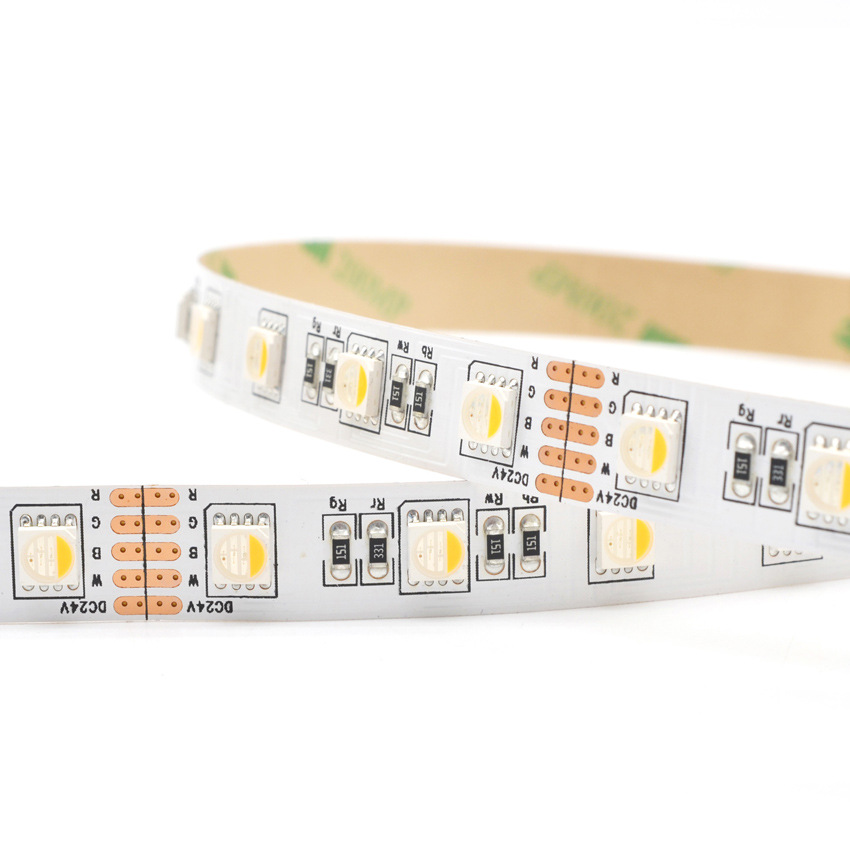
LED light strip is a flexible lighting product, usually available in 2 categories. One is an SMD light strip, which consists of multiple small LED lights, usually encapsulated in soft plastic or silicone. The other is COB light strip. COB is the abbreviation of English “Chip-on-Board”, which means “chip patch packaging”.
LED Light Strip Solution Guide
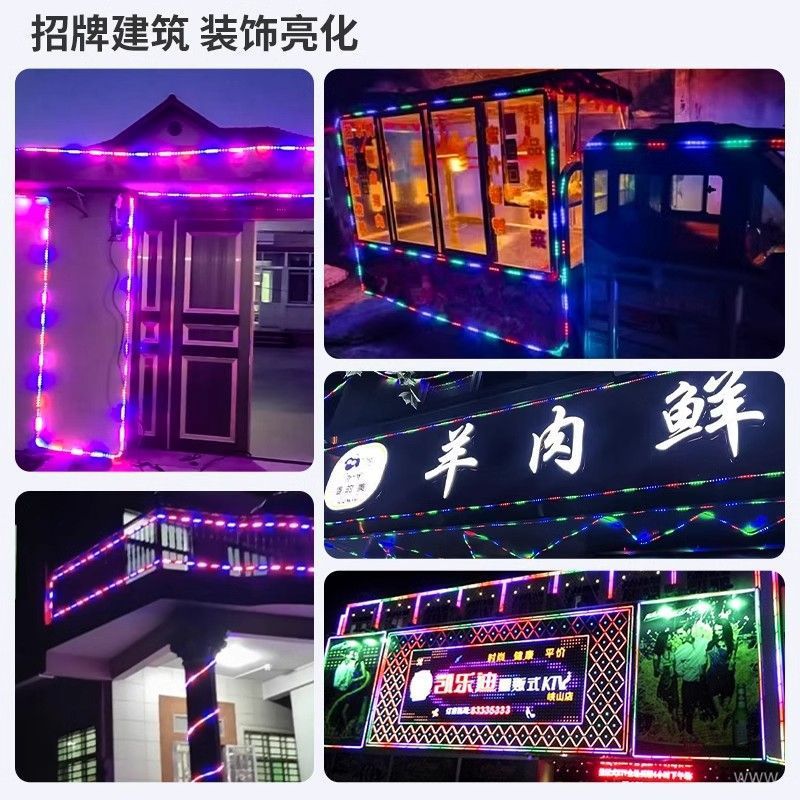
Currently, LED strip customization is very flexible. Because different schemes vary greatly in hardware, effects, and installation, I cannot generate images directly here. However, I can break down the core dimensions of customization for you in detail and provide examples. You can use this information to visualize the desired effect.
12V vs 24V LED Strip Lights: The Ultimate Guide to Voltage Drop
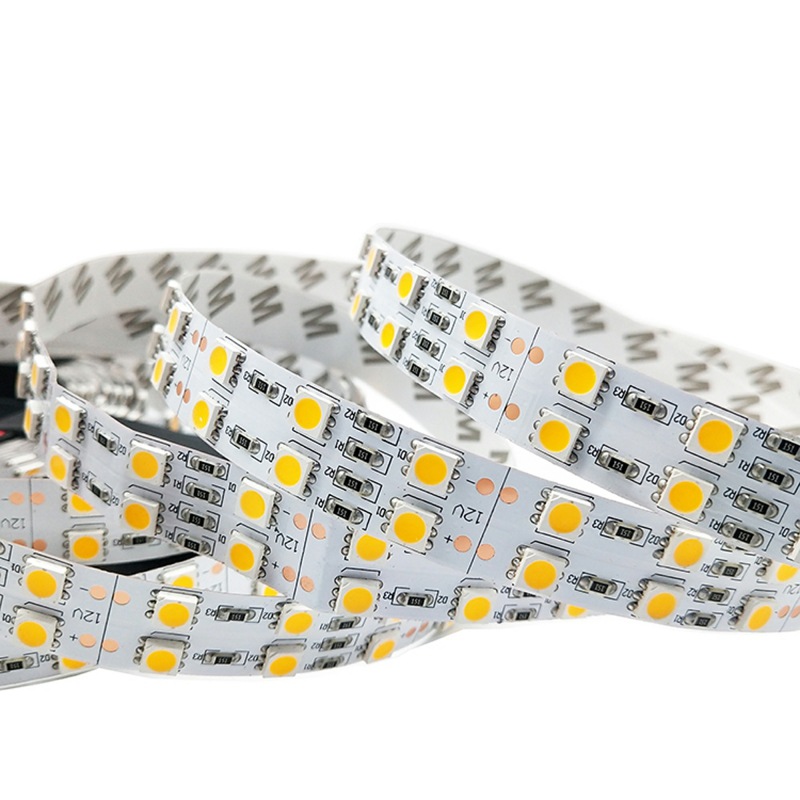
What is Voltage Drop?
Voltage drop is the loss of electrical voltage as current travels through a conductor due to its inherent resistance. In LED strips, this means the voltage gradually decreases from the connection point to the far end of the strip.
The Ultimate Guide to LED Dimming: 0-10V, TRIAC, ELV, PWM, and DALI Explained

In the evolving world of LED lighting, achieving the perfect ambiance often hinges on one crucial feature: dimming. However, the terminology surrounding LED dimming—0-10V, TRIAC, ELV, PWM, DALI—can be a significant source of confusion for homeowners, electricians, and project managers alike. Understanding the fundamental differences between these technologies is not just technical jargon; it’s the key to unlocking a seamless, flicker-free, and energy-efficient lighting experience. This guide will demystify these terms, explain how they work together, and provide a clear framework for selecting the right dimming solution for any application, all centered around the two critical components: the LED dimmable light and the dimming driver that powers it.
“Tunable” vs. “Polarity” LED Light Strips
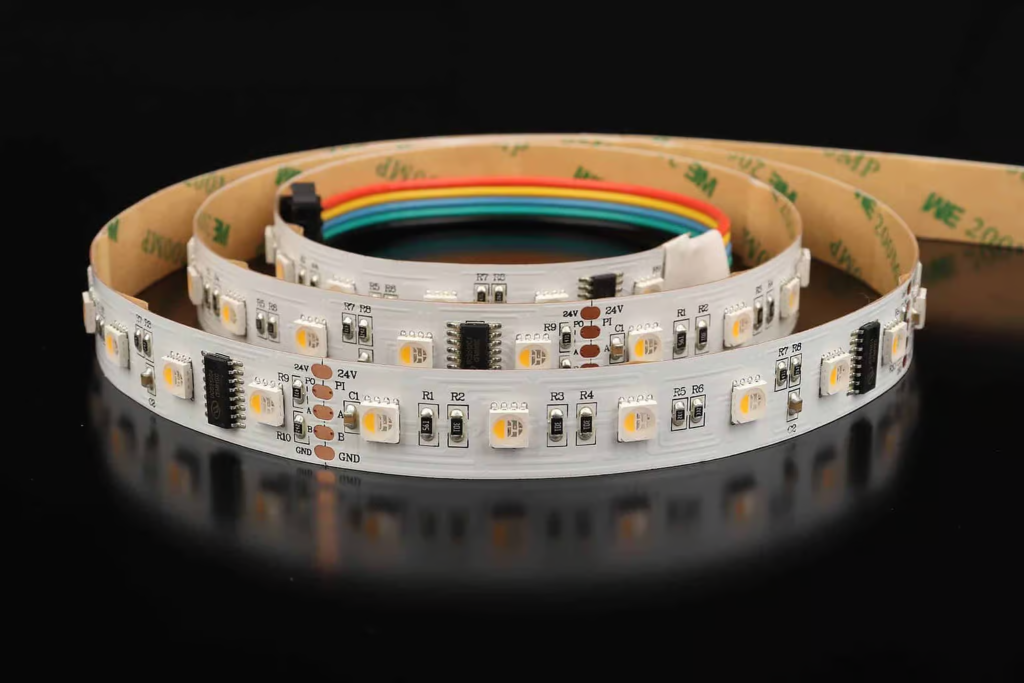
The term “Tunable” refers to the functionality of the light strip (seamlessly adjusting color temperature and brightness), while “Polarity” refers to the electrical connection method. These are two entirely different concepts.
Let me explain in detail:
What’s the Best Operating Temperature for LED Dynamic Tunable Strip Light?
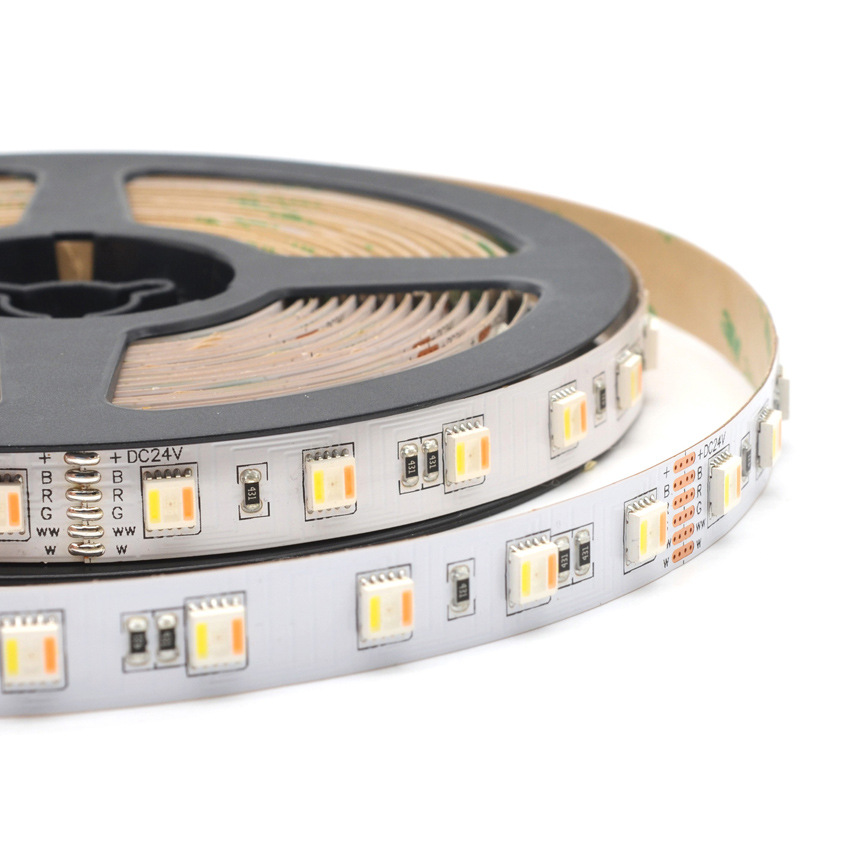
You’ve invested in LED dynamic tunable strip lights—whether for smart home ambiance, commercial displays, or architectural lighting. But did you know that temperature dramatically impacts their performance, color accuracy, and lifespan?
Anti-Glare Advantage in LED Lighting Strips
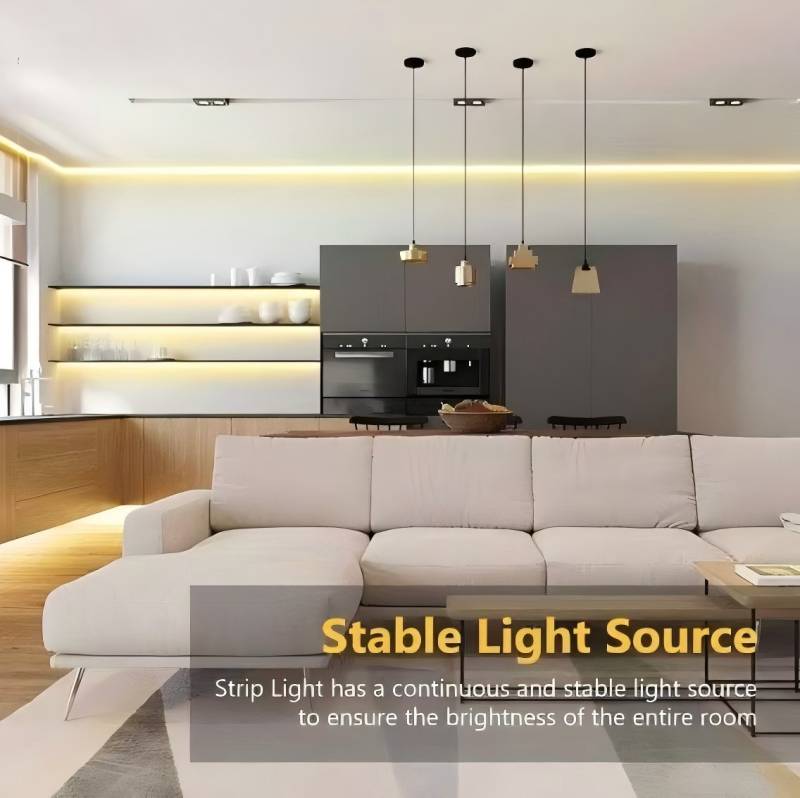
Anti-glare refers to reducing visual discomfort caused by direct or reflected light entering the human eye through specialized optical design or surface treatment techniques. In the lighting field, anti-glare is primarily achieved through microstructure diffusion, matte treatment, honeycomb and louver structures, and polarized filtering.
LED Strip Durability Testing vs. Aging Testing: Key Differences & Industry Standards
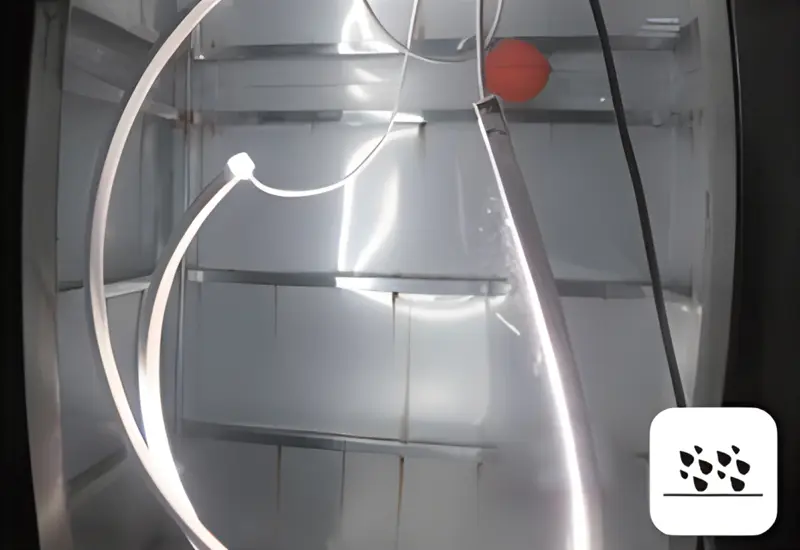
What is Durability Testing in LED Strip Industry?
Durability testing evaluates how long an LED strip can operate under normal conditions before failure. It simulates real-world usage to ensure the product meets its claimed lifespan (e.g., 50,000 hours).
LED Low-Voltage Strips VS High-Voltage Driverless Light Strips
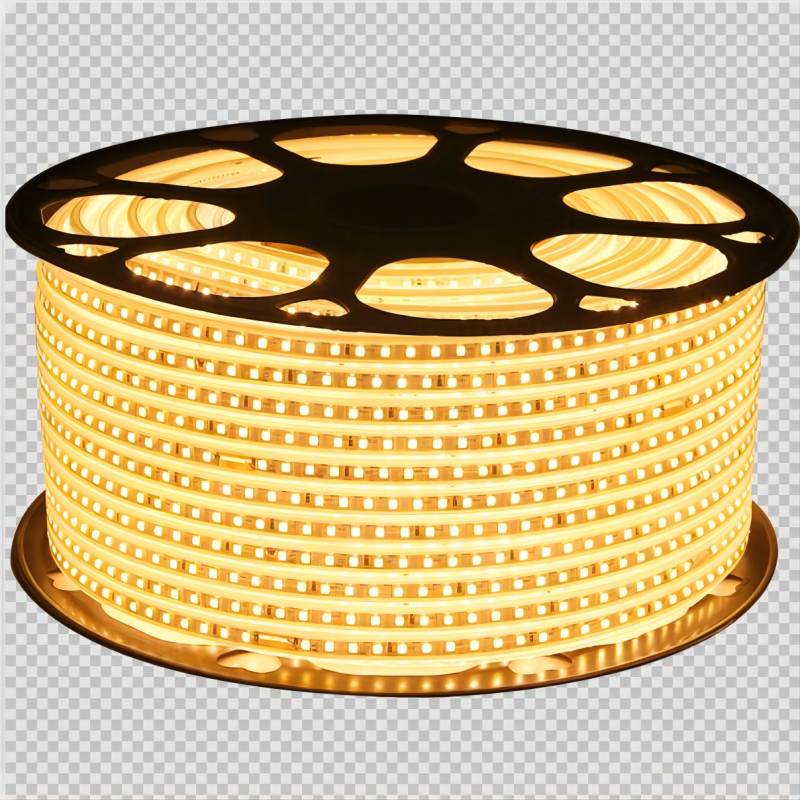
The market primarily offers two types: low-voltage strips (12V/24V DC) and high-voltage driverless strips (220V AC), which differ significantly in luminous efficacy, lifespan, and application scenarios.
This article provides a detailed comparative analysis based on luminous efficacy standards, lifespan impact, product selection, and technical insights into high-voltage driverless strips, incorporating global industry data and practical recommendations.
Constant Current (CC) vs. Constant Voltage (CV) LED Lighting
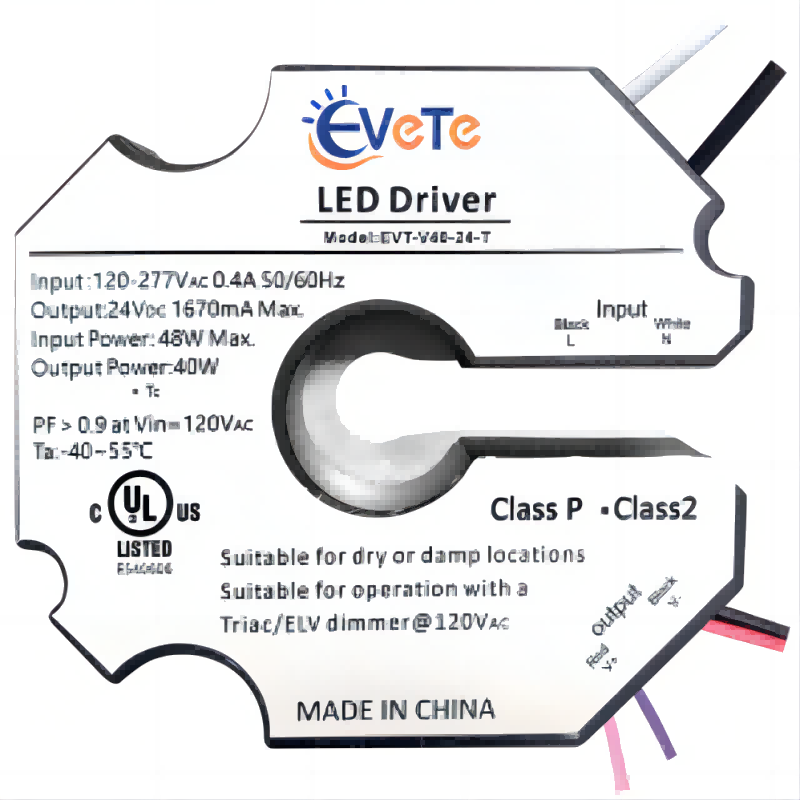
In LED lighting, Constant Voltage (CV) and Constant Current (CC) are the two main power supply methods:
Constant Voltage (CV) Driver: Provides a fixed output voltage (e.g., 12V/24V), while current varies with the load. Best for parallel-connected LED fixtures.
Constant Current (CC) Driver: Delivers a fixed current (e.g., 350mA/700mA), adjusting voltage based on the load. Ideal for series-connected LED fixtures.