
LED Ribbon Lights Common Faults and Professional Solutions

Neon tubes (LED Ribbon Lights) are popular in the field of commercial lighting and decoration due to their flexibility, energy saving and high brightness. However, various faults may occur during long-term use, affecting their performance and life. This article will introduce the common faults, solutions and preventive measures of LED Ribbon Lights to help B2B customers optimize the experience of using Ribbon LED Lighting.
CE & RoHS Lighting: Authoritative Guide to EU Market Access(2024)
Why is CE & RoHS lighting certification the key to entering the EU market ?
As the world’s most stringent lighting product certification system, the EU CE/RoHS certification includes three core elements:
Smart Lights LED: Future Trends & AI Revolution
Smart lights LED systems are transforming modern homes and cities, but they aren’t without flaws. Understanding their limitations and solutions ensures a seamless transition to intelligent lighting.
Smart Lights: The Ultimate Guide to Types, Benefits & Control

Smart lights have revolutionized modern lighting by offering energy efficiency, customization, and automation. Whether for homes, offices, or industrial spaces, these intelligent lighting solutions enhance convenience and ambiance. This guide explores the types of smart lights, their lifespans, control accessories, and the benefits they bring to consumers.
LED Neon Signs Light Guide
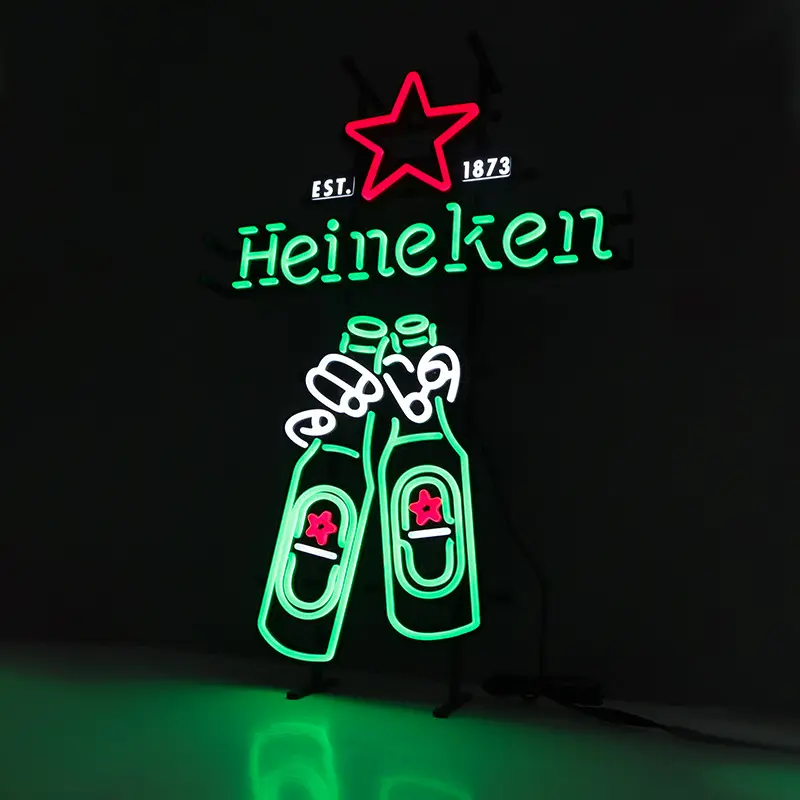
What Are LED Neon Signs Made Of ?
LED neon signs, also known as LED neon flex or neon LED strips, are made of flexible PVC or silicone tubing with embedded LED chips inside. Unlike traditional glass neon lights filled with gas, LED neon strips use low-voltage LEDs (typically 12V or 24V DC) to produce bright, energy-efficient lighting.
The Ultimate Guide to COB LED Light Strips
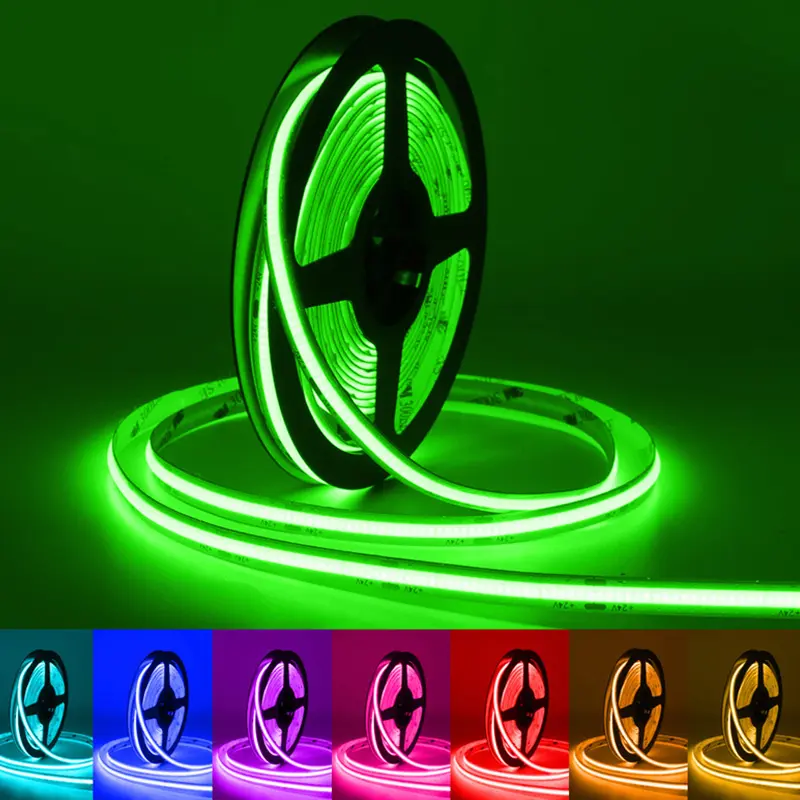
Are High-Voltage COB Strips Safe?
✅ Yes, with precautions:
●Must be CE/ROHS certified
●Professional installation recommended
●Not ideal for damp areas (unless high IP rating)
LED Lights APP Trade Tariff Solutions
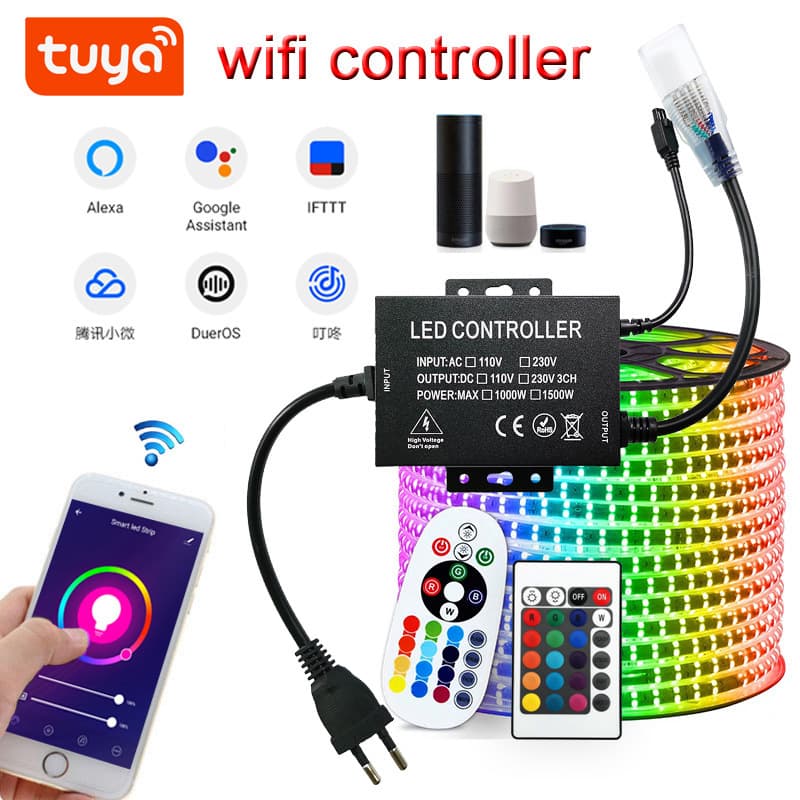
The ongoing U.S.-China trade war has significantly impacted the LED lighting industry, with tariffs increasing costs for both Chinese suppliers and American importers. As tariffs remain a barrier, businesses must adapt to sustain profitability while ensuring consumer affordability. This article explores how Chinese LED suppliers can adjust their policies, how U.S. importers can mitigate risks, and what kind of bilateral agreement could foster long-term trade stability—with a focus on smart LED Lights APP-enabled products as a value-added solution.
Reasons why the world favors Chinese LED smart lights
In 2023, the global LED smart lamp market will reach US$68 billion, with an annual growth rate of 12.3%, of which China’s supply accounts for more than 65% (data source: TrendForce report). The European and American markets are accelerating the replacement of traditional lighting due to the energy crisis, and the demand for smart dimming and human-sensing linkage products has soared.
LED lighting accessories break the US high tariff strategy
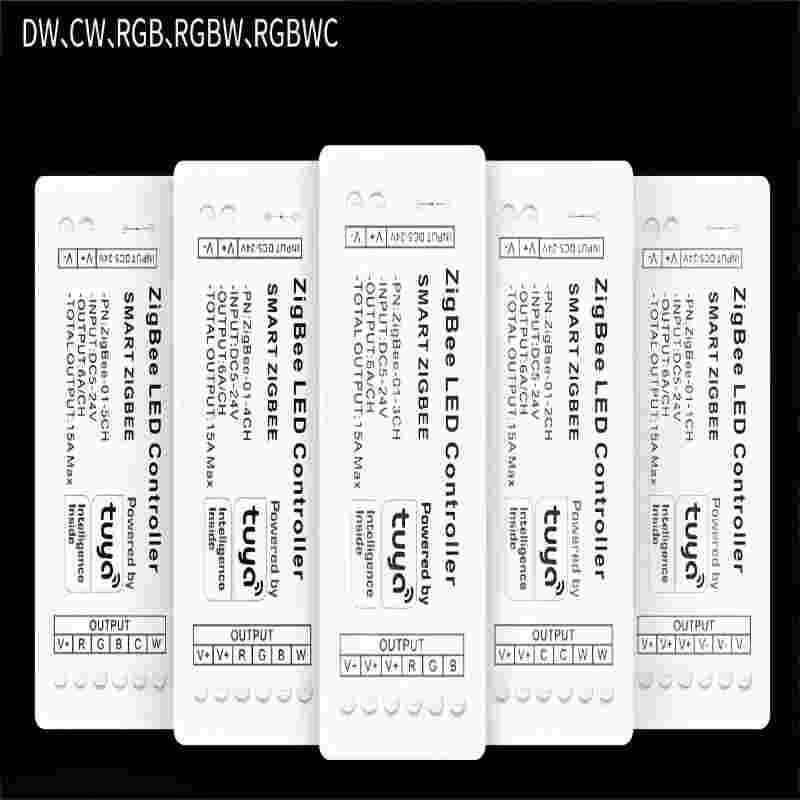
Since the United States launched the “301 investigation” against China in 2018, LED lamps and accessories (HS code: 9405.40.60) have been subject to a 25% tariff, resulting in a surge in importer costs. In 2023, the United States further tightened restrictions on Chinese semiconductor-related products, and some LED driver power supplies (including controllers) were included in the control list. The current tax rate can be queried in real time through the USITC tariff database.